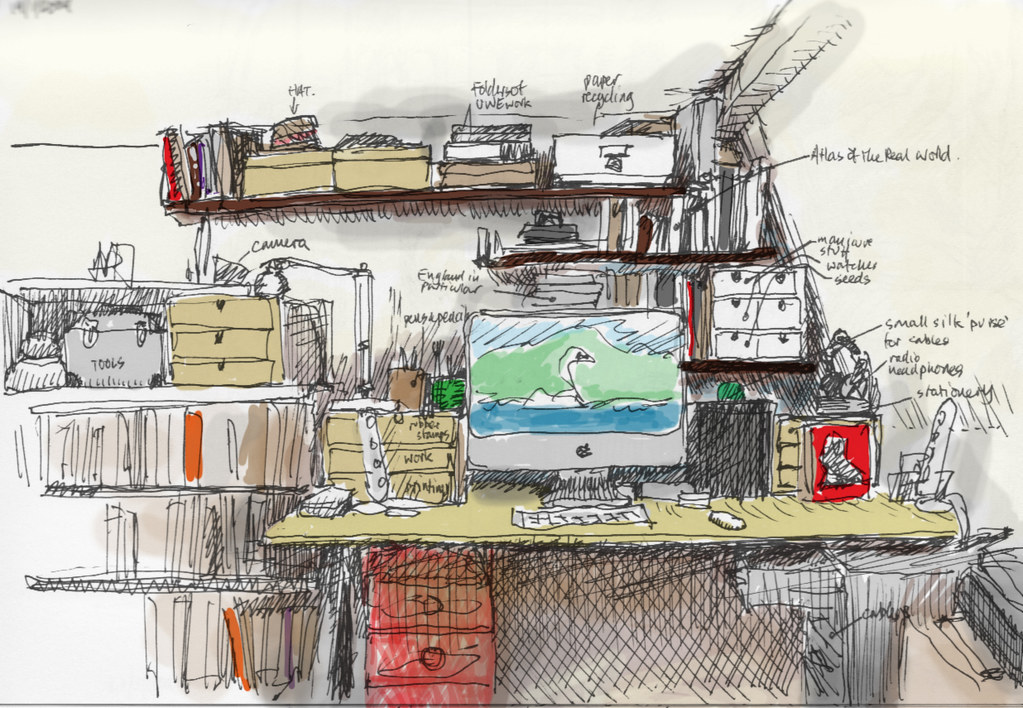
Crafting Your Personal Study Environment: A Comprehensive Guide for 2026
Introduction
In the rapidly evolving landscape of education, one thing remains constant: the importance of an effective study environment. As we step into 2026, students must adapt to emerging trends and technology to create personalized study spaces that foster concentration, creativity, and productivity. This article explores various elements to consider when designing your ideal study environment.
The Importance of a Personalized Study Space
Your study environment significantly influences your learning efficiency and focus. A personalized space does more than just look good; it aligns with your study habits and preferences. Here are key factors to consider:
- Comfort: Ensure your furniture supports long study sessions without causing discomfort.
- Lighting: Natural light is ideal, but adjustable artificial lighting can help reduce eye strain.
- Noise Level: Choose a location that minimizes distractions, whether it’s a quiet corner at home or a dedicated study hub.
Ergonomic Considerations
Proper ergonomics can enhance your comfort and productivity. An ergonomic chair and desk setup can prevent strain and injury. Here are some tips:
- Chair: Choose one with good lumbar support that allows your feet to rest flat on the ground.
- Desk Height: Your desk should allow your arms to rest comfortably at a 90-degree angle while typing.
- Screen Position: The top of your computer screen should be at or just below eye level to prevent neck strain.
The Role of Technology in Study Spaces
In 2026, technology plays a pivotal role in how students study. Here are some suggestions to integrate tech effectively:
- Smart Devices: Use tablets or e-readers for digital textbooks and resources, reducing clutter.
- Productivity Apps: Leverage apps like Todoist or Notion to manage tasks and deadlines efficiently.
- Noise-Canceling Headphones: These can enhance focus by blocking out distracting sounds.
Creating a Stimulating Atmosphere
Your surrounding environment can enhance motivation and creativity. Consider the following:
- Color Psychology: Use colors like blue for calmness and green for creativity. Paint your study area or use accessories to reflect these colors.
- Inspiration Boards: Pin up motivational quotes, images, or goals to keep you inspired during long study sessions.
- Plants: Incorporate indoor plants to improve air quality and bring a bit of nature indoors.
Establishing a Study Routine
Consistency is critical for effective studying. Here are some steps to create a sustainable routine:
- Set Specific Study Times: Block out regular time slots in your calendar dedicated solely to studying.
- Mix Study Techniques: Alternate between reading, writing, and practicing problems to keep your mind engaged.
- Break Times: Incorporate short breaks to recharge your brain—consider the Pomodoro Technique for structured intervals.
Organizing Your Study Materials
A clutter-free space aids concentration. Here’s how to keep your materials organized:
- Digital Organization: Utilize cloud storage solutions to keep your digital files accessible and organized.
- Physical Organization: Use folders and binders for paper materials and keep your study area tidy.
Final Thoughts
As we look forward to the future of studying in 2026, cultivating a personalized study environment is more important than ever. By considering comfort, technology integration, atmosphere, and organization, you can create a space that supports your academic success. Remember, your study environment is an extension of your personal learning style—make it work for you!


You May Also Like

The Rise of Gamification in Study Techniques: Engaging Learners in 2026

Cultivating a Growth Mindset for Academic Success