The Future of Learning: Embracing Neuroeducation in Your Study Routine
Introduction to Neuroeducation
As we step into 2026, the field of education is undergoing a transformation that places greater emphasis on understanding how the brain learns. Neuroeducation combines neuroscience, psychology, and teaching methods to create a holistic approach to learning. This article explores how you can incorporate neuroeducational principles into your study routine for enhanced academic performance.
Understanding Neuroeducation
Neuroeducation focuses on the brain’s learning processes, offering insights that can help students develop more effective study habits. By understanding how memory works, cognitive functions, and emotional responses influence learning, students can tailor their study techniques to align with their brain’s natural inclinations.
The Importance of Neuroplasticity
Neuroplasticity, the brain’s ability to reorganize itself by forming new neural connections, plays a crucial role in how we learn. This adaptability means that with the right practices, you can enhance your cognitive abilities over time. Here’s how to leverage neuroplasticity in your studies:
- Consistency is Key: Regular study routines help reinforce neural pathways.
- Variety in Learning: Engaging in different study techniques can stimulate various parts of the brain.
- Mindfulness and Reflection: Taking time to reflect on what you’ve learned can strengthen memories.
Strategies for Integrating Neuroeducation into Your Study Habits
1. Utilize Multi-Sensory Learning
Engaging multiple senses can enhance retention and understanding. Consider these multi-sensory methods:
- Visual Aids: Use diagrams, infographics, and videos.
- Auditory Learning: Listen to lectures or audiobooks.
- Kinesthetic Activities: Incorporate hands-on learning through experiments or models.
2. Implement Spaced Repetition
Rather than cramming, spaced repetition involves reviewing material over increasing intervals. This technique takes advantage of the brain’s natural forgetting curve, improving long-term retention.
3. Foster Emotional Connections
Emotions significantly impact learning and memory. When studying, try to connect the material to personal experiences or emotions, making it more relatable and easier to remember. Also read: wak89 for more insights.
4. Create a Positive Study Environment
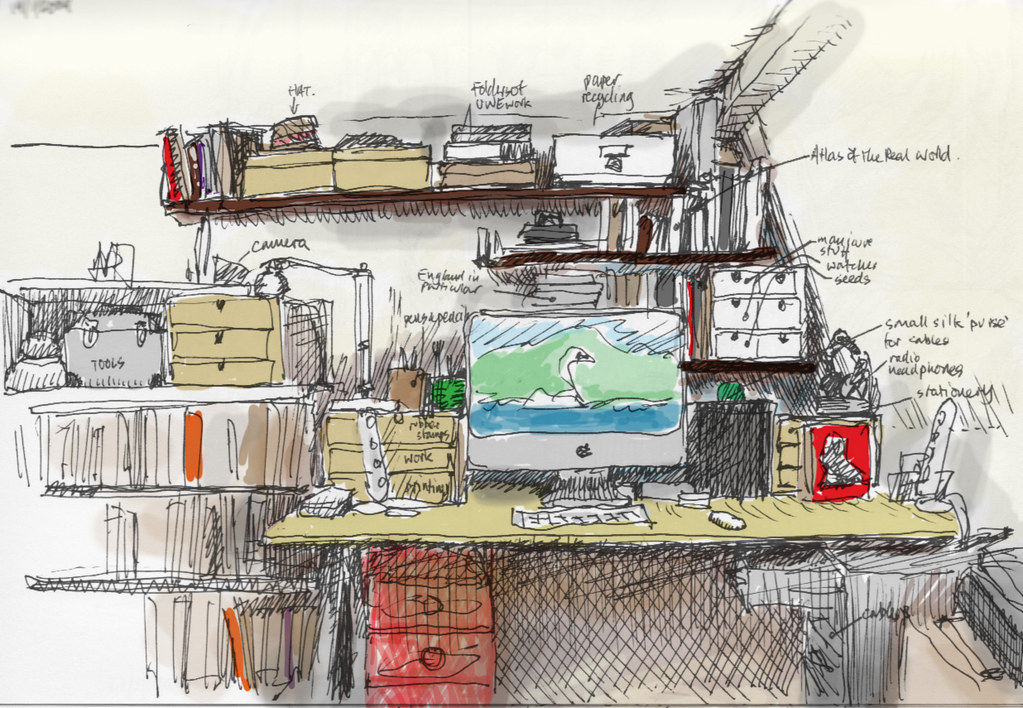
Your surroundings have a profound effect on your ability to learn. Here are some tips to optimize your study space:
- Minimize Distractions: Keep your space tidy and limit noise.
- Comfortable Seating: Ensure your study area is comfortable and supportive.
- Natural Light: If possible, study in a well-lit area with natural light to enhance mood and focus.
The Role of Rest and Nutrition
Your brain requires rest and proper nutrition to function optimally. Here’s how both can enhance your study sessions:
Prioritize Sleep
Quality sleep is essential for memory consolidation. Aim for 7–9 hours of sleep each night, and establish a sleep routine that promotes restful nights. This will not only enhance your memory but also improve your overall cognitive performance.
Nutrition for Brain Health
A balanced diet rich in omega-3 fatty acids, antioxidants, and vitamins can support cognitive function. Integrate the following foods into your diet:
- Fatty Fish: Great for brain health due to high omega-3 content.
- Blueberries: Known for their antioxidant properties, blueberries can help improve memory.
- Leafy Greens: High in vitamins and minerals beneficial for overall brain function.
Conclusion
As we embrace the advancements of 2026, understanding and applying neuroeducational principles can transform how we study. By incorporating strategies aligned with how our brains learn best, we can optimize our study sessions for improved retention and success. Remember that learning is not a one-size-fits-all approach—experiment with different techniques and find what works best for you!


You May Also Like
Innovative Mind Mapping Techniques for Effective Study in 2026

The Future of Studying: Innovative Trends and Strategies for 2026