Harnessing the Power of Visualization in Study Techniques for 2026
Introduction
As we navigate through 2026, the academic landscape continues to evolve, introducing innovative methods to enhance educational experiences. One such method gaining traction is the use of visualization techniques in study practices. Visualization is not just about creating mental images; it’s about transforming information into understandable graphics, thereby facilitating better retention and comprehension.
The Science Behind Visualization
Research has consistently shown that our brains process visual information much faster than textual data. Here’s why incorporating visualization into study techniques can significantly improve learning outcomes:
- Efficient Memory Retention: Visuals can help students remember concepts and ideas more effectively, as they provide a context that words alone may not.
- Enhanced Engagement: Visual aids can capture attention and sustain engagement, making studying a more interactive experience.
- Improved Understanding: Complex information can be distilled into simple diagrams or charts, making it easier to grasp.
Types of Visualization Techniques
Here are several effective visualization methods that students can adopt to enhance their study routines:
- Mind Maps: A popular tool for organizing information hierarchically, allowing students to see relationships between ideas.
- Infographics: Compiling data and information into a visually appealing format can simplify complex subjects and make learning enjoyable.
- Flowcharts: Ideal for demonstrating processes, flowcharts can help students visualize steps or sequences in a clear manner.
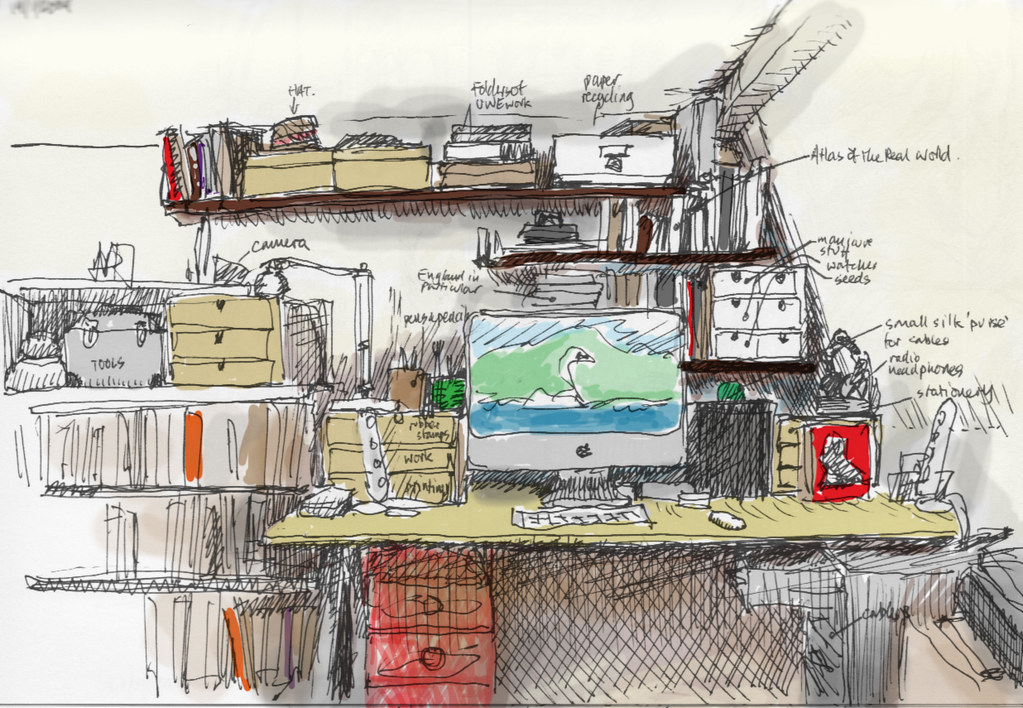
- Sketch Notes: Taking notes in a visual format encourages creativity and helps reinforce memory through drawing.
- Diagrams and Graphs: Perfect for subjects like mathematics and science, where visuals can depict relationships and trends effectively.
Implementing Visualization in Study Sessions
Incorporating visualization strategies into your study routine doesn’t have to be overwhelming. Here are some practical steps: Also read: ajo89 for more insights.
- Identify Key Concepts: Before visualization, pinpoint the main ideas or topics that need clarification or reinforcement.
- Choose the Right Tool: Select a visualization method that best suits the content and your learning style. For example, use mind maps for brainstorming and flowcharts for processes.
- Create Visual Aids: Devote time to create your visual aids. This process itself can enhance retention as it involves active engagement with the material.
- Review Regularly: Regularly revisit your visual aids to reinforce information and enhance long-term memory retention.
The Role of Technology in Visualization
Technology plays a pivotal role in making visualization easier and more efficient. Here are some tools available in 2026 that can assist students:
- Online Mind Mapping Software: Platforms like MindMeister and XMind allow students to create intricate mind maps easily.
- Infographic Makers: Tools such as Canva and Piktochart enable students to turn statistics and information into compelling visuals.
- Digital Note-taking Apps: Applications like Notability and GoodNotes support drawing directly on notes, enabling sketch notes to come to life.
Case Studies: Success Stories Using Visualization
Several students and educators have reported significant improvements in learning through visualization techniques:
- A High School Student: Sarah, a high school junior, struggled with understanding complex historical events. After incorporating mind maps into her study routine, she was able to connect events and analyze their impacts effectively, leading to an improvement in her grades.
- A College Professor: Dr. Smith introduced flowcharts in his biology classes to illustrate cellular processes. His students reported higher engagement levels and better exam results due to increased comprehension of difficult topics.
Challenges and Considerations
While visualization can tremendously enhance study techniques, it’s essential to be aware of potential challenges:
- Overcomplicating Visuals: The goal of visualization is simplicity. Overly complex diagrams can confuse rather than clarify.
- Time Consumption: Creating visual aids can be time-consuming. It’s crucial to find a balance between creating visuals and studying.
Conclusion
As we embrace new educational methodologies in 2026, the power of visualization stands out as a transformative approach to studying. By integrating these techniques into your study sessions, you can improve retention and understanding, making learning a more rewarding and less daunting experience. Start exploring visualization methods today, and watch your study skills soar to new heights!


You May Also Like

Unlocking the Power of Personalized Study Plans in 2026

Enhancing Study Techniques: Balancing Technology and Traditional Methods in 2026